
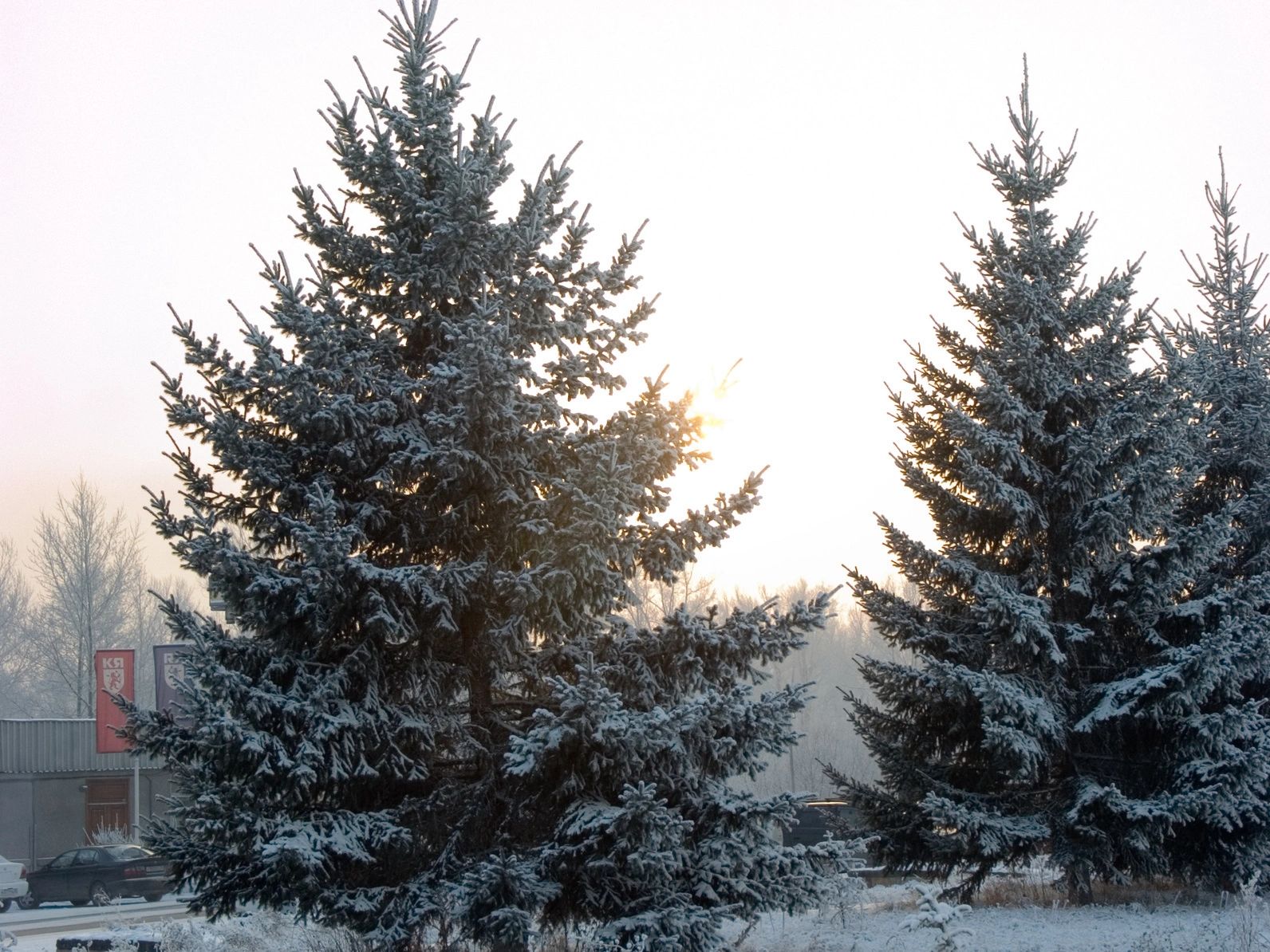
As autumn slips into winter, many seniors begin to feel the impact of shorter daylight hours and colder temperatures more intensely than younger adults. These seasonal changes can affect both physical health and emotional well-being, making the colder months a challenging time for older adults.
With fewer hours of sunlight, seniors may experience disrupted sleep patterns, reduced energy, and, in some cases, seasonal mood changes. Limited daylight can also make it harder to stay active, which may worsen joint stiffness, mobility issues, and overall fitness.
And for those who rely on walking or outdoor exercise, icy conditions or early darkness often force them to stay indoors.
Cold weather itself poses additional risks. Older adults tend to lose body heat faster, making them more vulnerable to hypothermia. Heating costs can also strain fixed incomes, causing some seniors to keep their homes cooler than recommended. Chronic conditions such as arthritis, heart disease, and respiratory issues may flare up in cold, dry air.
Staying connected, physically active, and warm is essential. Whether through indoor exercise, virtual socializing, or simple daily routines, small steps can make the winter months safer and more comfortable for seniors.
While you’re staying warm this winter, come back to 82 & Up for all the latest posts that matter to seniors and retirees.