
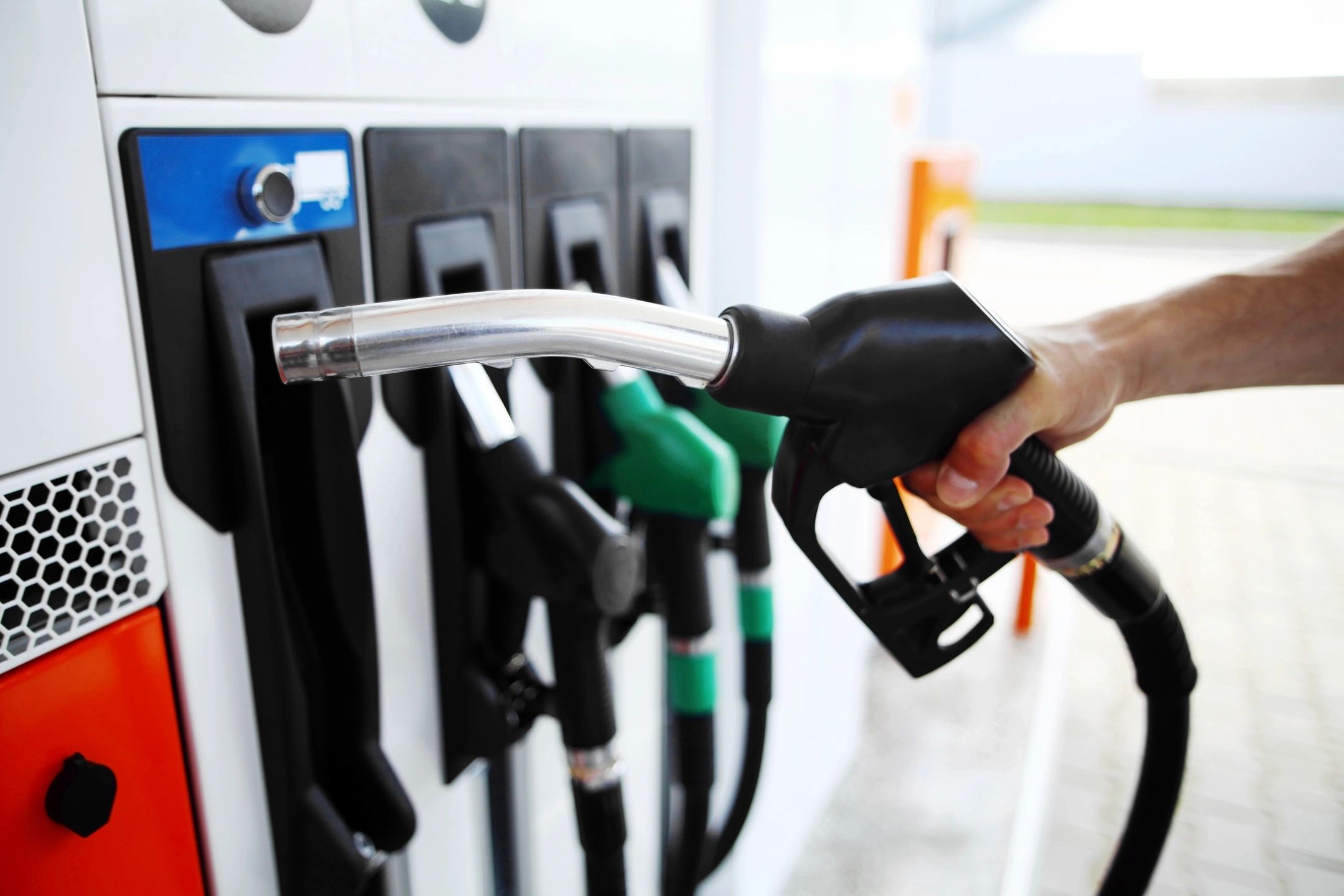
For many older Americans, a simple trip to the grocery store or doctor’s office is becoming increasingly stressful. Rising gas prices are hitting retirees especially hard because unlike younger workers, most seniors are living on a fixed income that doesn’t stretch when costs suddenly spike.
In 2026, gas prices have surged to around $4 per gallon in many parts of the country, driven largely by global instability and energy market disruptions. What might seem like a temporary inconvenience for some can feel like a financial crisis for seniors. Every extra dollar spent at the pump is a dollar taken away from essentials like food, medication, or housing.
Recent reports highlight just how serious the situation has become. Retirees on fixed incomes say even a small increase in gas prices can be “devastating,” forcing tough decisions like delaying medical trips or cutting back on groceries. In rural areas, where driving is often the only option, the burden is even heavier. Seniors may have to travel long distances for basic services, making them especially vulnerable to fuel price spikes.
Compounding the problem, Social Security cost-of-living adjustments often fail to keep pace with real-world expenses. While benefits may rise slightly each year, inflation, especially in energy and transportation, can outstrip those increases, steadily eroding purchasing power.
This is where the proposed Elder Relief Act could make a meaningful difference. By strengthening Social Security benefits for older Americans, the legislation would increase Social Security benefits for those who need it most. With more reliable income, seniors would be better equipped to handle rising everyday costs, including gas, without sacrificing their health or independence.
At its core, the issue is about dignity. After decades of work and contribution, older Americans should not have to choose between filling their gas tank and filling their prescriptions. Addressing rising fuel costs through stronger financial protections like the Elder Relief Act could help ensure that retirement is a time of stability, not stress.