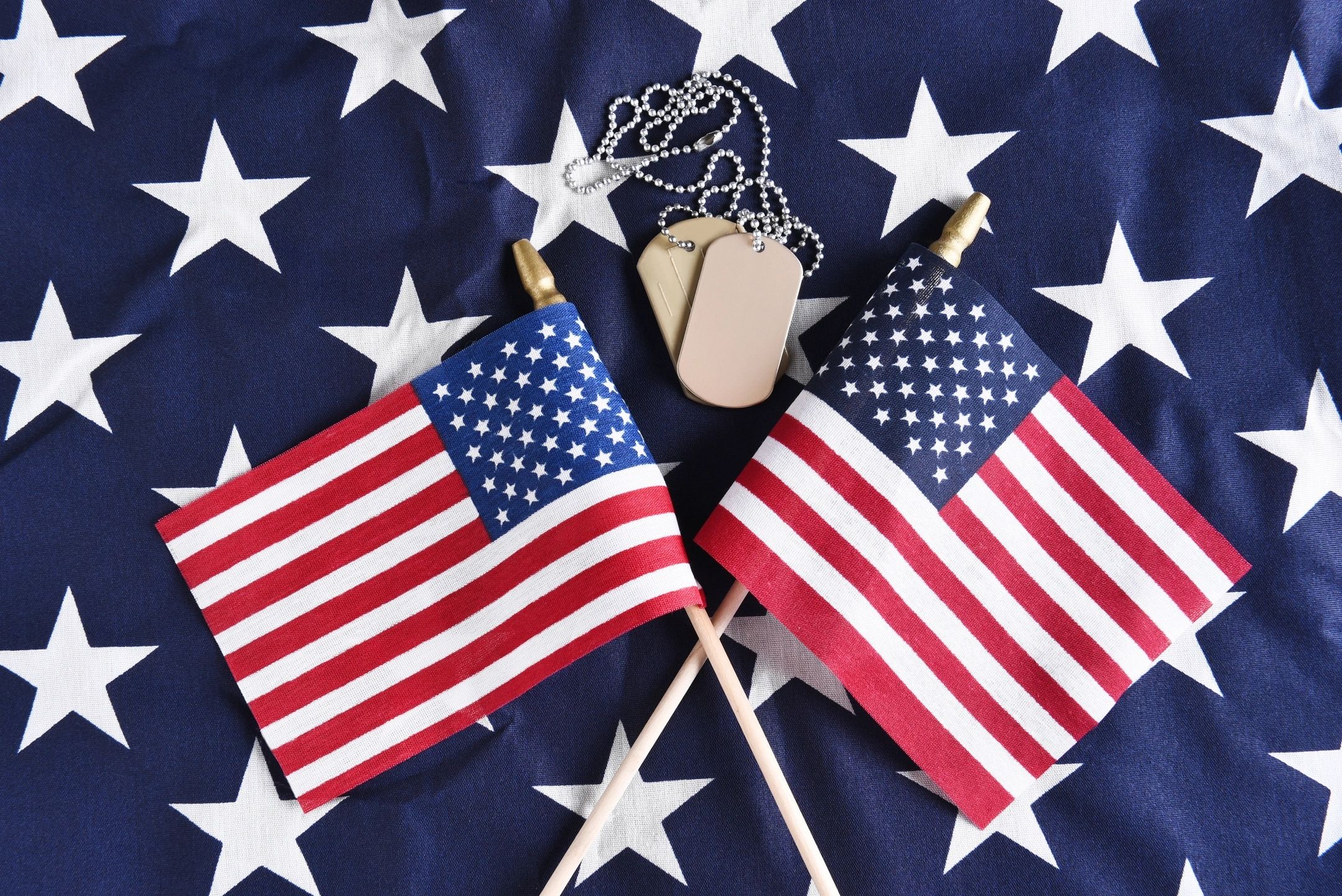
Every year on November 11th, Americans pause to honor the brave men and women who have served in the U.S. Armed Forces. Veterans Day stands as a powerful reminder of the sacrifices made in the name of freedom, but the story behind this holiday stretches back more than a century.
The origins of Veterans Day lie in the aftermath of World War I, once called “The War to End All Wars.” When the conflict finally ceased on the 11th hour of the 11th day of the 11th month in 1918, nations around the world celebrated peace after years of devastating combat. To commemorate this moment, “Armistice Day” was established—a day both to honor the end of fighting and to remember those who gave their lives.
The United States made Armistice Day a national holiday in 1938, but as World War II unfolded, the meaning of the day began to shift. Americans recognized that the sacrifices of later generations of soldiers also deserved acknowledgment.
In 1947, World War II veteran Raymond Weeks organized the first “National Veterans Day” celebration in Birmingham, Alabama, expanding the focus beyond World War I to include all who served. The idea quickly gained national attention.
Finally, in 1954, President Dwight D. Eisenhower signed legislation officially changing Armistice Day to Veterans Day. From that point forward, November 11th became a day to honor every U.S. veteran, past and present, for their courage, service, and dedication to protecting our freedoms.
Today, Veterans Day continues to serve as a unifying moment of gratitude, connecting generations of Americans through shared respect for those who have served.
If you enjoyed this post, share it with your friends on social media, and make sure to follow 82 & Up to get all of our latest posts.